1. Past emergencies and recovery needs
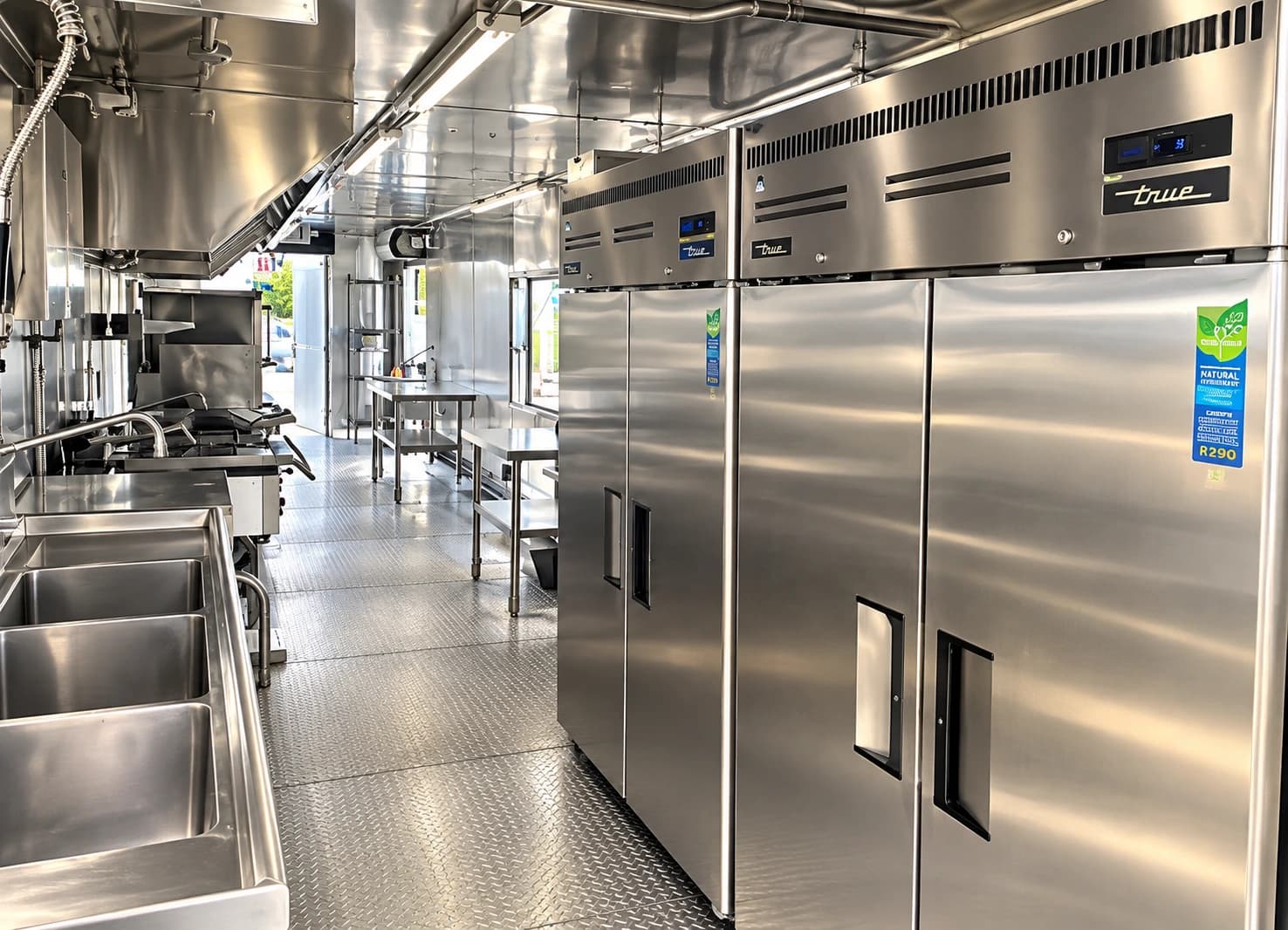
Cedar Key is planning for recovery in a coastal setting where the City says flooding and storm events affect aging infrastructure and historic resources (City resilience information). When a food-service room is damaged or closed, the approval path becomes part of the continuity plan. A mobile kitchen trailer rental may help a facility keep preparing meals, but it does not replace the approvals required for the food operation. Ask the reviewing agencies what can be approved for the temporary setup and what must wait until the permanent building is ready.
2. Major construction
The City of Cedar Key says most building projects need its Building Department to review construction documents before work begins. Its process includes code review, accessibility and fire-safety considerations, and a floodplain review because Cedar Key participates in the National Flood Insurance Program (City plan review process). A construction team planning a temporary kitchen should include the trailer footprint, access path, electrical connection, potable-water source, wastewater route, and separation from the active work zone in its site discussion. The City's review is not a food-service permit, so plan for both conversations.
3. Major renovation
Florida Department of Health guidance covers temporary food events and mobile food units, and says local county health departments inspect and issue food certificates for regulated facilities (Florida Department of Health). The same guidance says a proposed menu and plans accompany a plan-review application and advises applicants to contact the local county health department for fees and submission details. Send the trailer equipment list, electrical data, water and wastewater plan, menu, service layout, and dates early. Our general temporary-kitchen approval guide explains the national planning questions; the Levy County health office decides what applies to a Cedar Key operation.
4. Emergency equipment access
The City directs Cedar Key emergency management through Levy County and publishes links to evacuation and emergency orders (Cedar Key emergency management). Its re-entry policy describes the Number Four Bridge checkpoint and the order in which officials, residents, and business owners may re-enter after an event (re-entry information). A rental delivery is a private commercial movement, not an emergency response assignment. Confirm that the site can legally receive the trailer, check current road and re-entry instructions, and leave enough time for a revised delivery plan if officials restrict access.
5. Local rental costs
Budget the equipment separately from approval and site work. Standard mobile kitchens start from $4,995 per month, dishwashing trailers from $4,995, and refrigeration from $1,895. Delivery, setup, and pickup are quoted for the Cedar Key address; permits, utilities, water and wastewater, fuel, and food are not included. The rental calculator is preliminary and does not calculate local delivery or approval costs. Ask for the equipment list and utility requirements that match your proposed plan before submitting the final review package.
Approval checklist
- Confirm which Levy County health application or certificate applies.
- Ask Cedar Key Building Department whether City plan review or floodplain review applies to the site work.
- Document the menu, equipment, electrical service, potable water, wastewater, and trailer placement.
- Coordinate the construction schedule, health review, delivery window, and access instructions.
- Request a quote that separates equipment, delivery, setup, and pickup.